
Table of Contents
ToggleLearning how to Ghost of Tsushima starts with understanding what makes this game special. Players take on the role of Jin Sakai, a samurai fighting to protect his homeland from Mongol invaders in feudal Japan. The game blends sword combat, stealth mechanics, and open-world exploration into one cohesive experience.
Ghost of Tsushima rewards players who take time to learn its systems. Combat feels weighty and deliberate. Exploration reveals hidden stories and upgrades. Character progression offers meaningful choices that shape how players approach each challenge. This guide breaks down everything beginners need to know to survive and thrive on Tsushima Island.
Key Takeaways
- Ghost of Tsushima centers on three core gameplay pillars: combat, exploration, and progression, all working together to create a rewarding experience.
- Master the four combat stances (Stone, Water, Wind, Moon) to counter specific enemy types and switch between them mid-fight for maximum effectiveness.
- Use the Guiding Wind system and follow foxes and yellow birds to discover hidden shrines, hot springs, and collectibles that boost Jin’s abilities.
- Balance samurai and Ghost playstyles by combining direct combat with stealth tactics for the most effective approach to clearing enemy camps.
- Prioritize upgrading armor, charms, and Ghost weapons to customize Jin’s build and gain significant advantages throughout your journey on Tsushima Island.
Understanding the Core Gameplay Mechanics
Ghost of Tsushima builds its gameplay around three main pillars: combat, exploration, and progression. Each system feeds into the others, creating a satisfying loop that keeps players engaged.
The combat system demands attention and timing. Enemies telegraph their attacks with visual cues. Players must read these signals and respond with blocks, parries, or dodges. Button mashing leads to quick deaths. Patience and observation lead to victory.
Exploration uses the “Guiding Wind” system instead of traditional waypoint markers. Players swipe up on the touchpad, and the wind shifts to point toward their selected destination. This design keeps players focused on the beautiful environment rather than a minimap. Birds, foxes, and other animals also guide players to hidden locations.
Progression happens through multiple channels. Completing story missions unlocks new abilities. Finding collectibles provides resources for upgrades. Side quests called “Tales” expand Jin’s skillset and reveal character backstories. Players who engage with all these systems gain significant advantages.
Mastering Combat Techniques and Stances
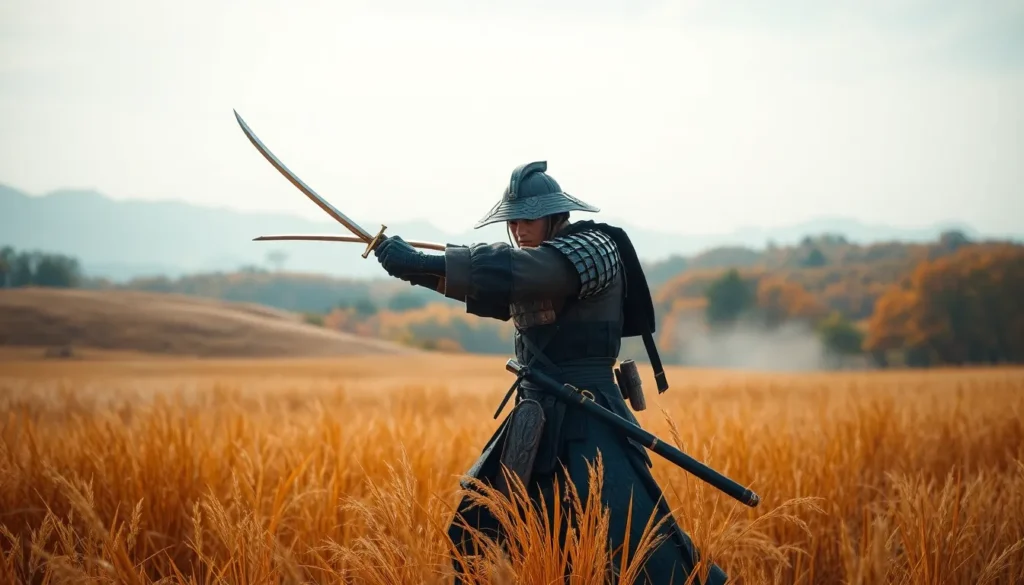
Combat in Ghost of Tsushima revolves around the stance system. Jin learns four different stances throughout the game, and each stance counters a specific enemy type.
Stone Stance works best against swordsmen. Water Stance breaks through shields. Wind Stance handles spearmen effectively. Moon Stance devastates brute enemies with heavy weapons. Switching stances mid-fight becomes essential as players face mixed enemy groups.
To switch stances, players hold R2 and press the corresponding face button. This becomes second nature with practice. Smart players observe enemy compositions before engaging and start in the most useful stance.
Parrying and perfect parrying separate good players from great ones. A standard parry blocks damage. A perfect parry, timed at the exact moment of impact, staggers enemies and opens them for counterattacks. The window for perfect parries is tight but learnable.
Dodging complements blocking. Some attacks cannot be parried (shown by red glowing indicators). These require quick dodges. Rolling creates more distance than a sidestep, useful against wide-swinging attacks.
Standoffs offer another combat option. Players can challenge enemies to one-on-one duels by holding the triangle button. Releasing at the right moment kills enemies instantly. Upgraded standoffs can chain multiple kills together.
Exploring the Open World Effectively
Tsushima Island hides secrets everywhere. Players who rush through main missions miss valuable upgrades and memorable stories.
The map divides into three regions: Izuhara, Toyotama, and Kamiagata. Each region increases in difficulty. Players unlock new areas by progressing through the main story. But, exploring thoroughly before moving forward pays dividends.
Foxes lead players to Inari Shrines. These shrines expand charm slots, allowing Jin to equip more passive bonuses. Finding all shrines significantly boosts Jin’s power.
Yellow birds guide players to various points of interest. Following them might reveal a hidden hot spring (which increases maximum health), a bamboo strike challenge (which increases resolve), or a haiku location (which unlocks cosmetic headbands).
Mongol territories and camps appear throughout the island. Liberating these locations reduces enemy presence in the area and provides resources. Larger camps require more strategic approaches but offer better rewards.
Question marks on the map indicate undiscovered locations. Climbing to high points and using the “Survey” option reveals nearby points of interest. This technique helps players plan efficient exploration routes.
Collectibles include Mongol artifacts, records, banners, and singing crickets. These provide resources, lore, and cosmetic options. Completionists will spend many hours tracking them all down.
Upgrading Your Character and Equipment
Ghost of Tsushima offers several upgrade paths. Understanding each system helps players prioritize their resources.
Techniques represent Jin’s skills. Players earn technique points by completing tales, liberating camps, and other activities. Techniques divide into three categories: Deflection (combat defense), Evasion (dodging), and Mythic (powerful special abilities). Mythic techniques require completing specific legendary tales.
Armor sets provide different bonuses. The Traveler’s Attire helps find collectibles. The Ronin Attire boosts stealth. Samurai Clan Armor increases melee damage. Players can switch armor freely from the menu, so collecting multiple sets proves worthwhile.
Upgrading armor requires supplies and other resources found throughout the world. Each armor piece has multiple upgrade levels. Fully upgraded armor provides substantial stat boosts and visual changes.
Charms offer passive bonuses that stack with armor effects. Players equip charms in available slots. Some charms increase damage. Others improve healing. Mixing and matching charms lets players customize Jin’s build.
The katana and tanto (short blade) can also be upgraded. These upgrades require specific materials from completing objectives. A fully upgraded katana deals significantly more damage than the starting weapon.
Ghost weapons, kunai, smoke bombs, sticky bombs, and wind chimes, expand tactical options. Upgrading these increases their effectiveness and carrying capacity.
Choosing Between Samurai and Ghost Playstyles
Ghost of Tsushima presents players with a central choice: fight honorably as a samurai or use deception as the Ghost.
The samurai approach emphasizes direct combat. Players challenge enemies openly, use standoffs, and defeat foes through superior sword skills. This playstyle feels heroic and satisfying. It also proves more difficult against large enemy groups.
The Ghost approach favors stealth and misdirection. Players assassinate enemies from behind, use distractions, and pick off targets one by one. This playstyle makes large camps easier to clear. Some story moments react differently based on Ghost tactics.
Players don’t need to commit fully to either path. Most effective strategies blend both approaches. Start a camp infiltration quietly, eliminate a few enemies, then finish the rest in open combat. The game supports this flexibility.
Certain upgrades favor specific playstyles. Ghost techniques improve stealth capabilities and assassination chains. Samurai techniques enhance parrying and direct damage. Balanced investment keeps both options viable.
The story explores the tension between these approaches. Jin struggles with abandoning his samurai training for more effective Ghost tactics. Player choices reinforce or contrast this internal conflict.


